
Introduction to Data Warehouse Tools
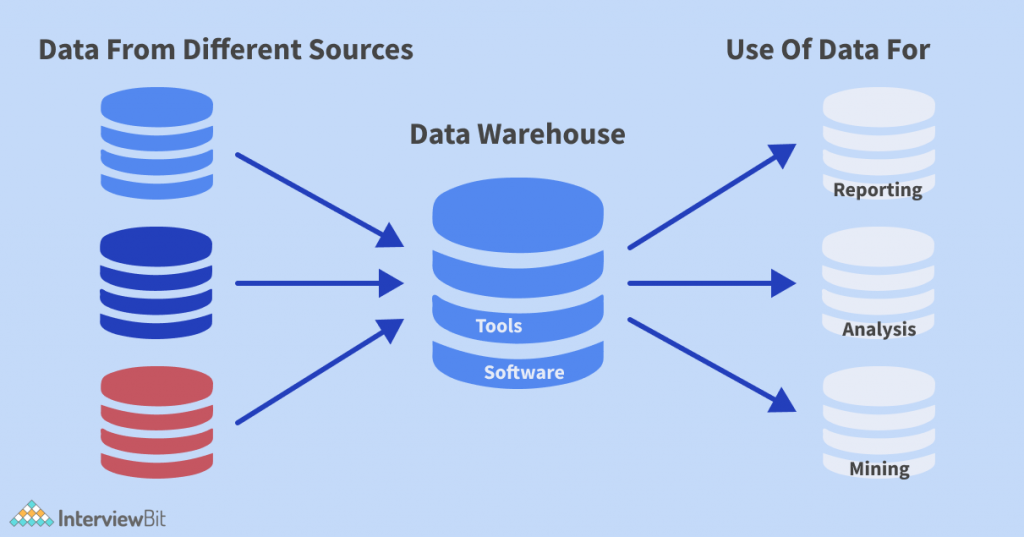
In the digital age of 2025, data warehouse tools have become indispensable for businesses aiming to harness the power of their data. These sophisticated tools serve as the backbone of modern business intelligence, enabling organizations to centralize, manage, and analyze vast amounts of data from diverse sources. As a data analyst, IT manager, or business intelligence professional, understanding the landscape of data warehouse tools is crucial for driving informed decision-making and maintaining a competitive edge in your industry.
Data warehouse tools have evolved significantly over the years, transitioning from on-premises solutions to cloud-based platforms that offer unprecedented scalability and flexibility. They play a pivotal role in transforming raw data into actionable insights, supporting everything from routine reporting to complex predictive analytics. In essence, these tools are the engines that power data-driven strategies across various sectors, from e-commerce and finance to healthcare and manufacturing.
The Evolution of Data Warehouse Tools
The journey of data warehouse tools from their inception to 2025 has been marked by remarkable advancements. Initially, data warehouses were primarily used for historical data analysis, often requiring significant hardware investments and specialized skills to manage. However, the landscape has dramatically shifted with the advent of cloud computing and big data technologies.
Today’s data warehouse tools offer real-time analytics capabilities, seamless integration with various data sources, and advanced features like machine learning and natural language processing. This evolution has democratized access to powerful data analytics, allowing businesses of all sizes to leverage their data assets effectively.
The Impact of Data Warehouse Tools on Business Operations
The adoption of modern data warehouse tools has transformed how businesses operate and make decisions. These tools enable:
- Faster Decision-Making: By providing quick access to accurate and up-to-date information, data warehouse tools empower decision-makers to respond swiftly to market changes and opportunities.
- Improved Data Quality: Advanced data cleansing and validation features ensure that the data used for analysis is reliable and consistent across the organization.
- Enhanced Customer Insights: By consolidating customer data from various touchpoints, businesses can gain a 360-degree view of their customers, leading to more personalized experiences and targeted marketing efforts.
- Operational Efficiency: Automating data collection and reporting processes frees up valuable time for data professionals to focus on more strategic initiatives.
As we delve deeper into the world of data warehouse tools, it’s essential to understand the key factors that should guide your selection process and explore the top solutions available in the market today.
Key Considerations When Choosing Data Warehouse Tools
Selecting the right data warehouse tool for your organization is a critical decision that can significantly impact your data management and analytics capabilities. In 2025, with the plethora of options available, it’s essential to evaluate tools based on several key factors to ensure they align with your business needs and technical requirements.
Scalability: Future-Proofing Your Data Infrastructure
In the rapidly evolving business landscape of 2025, scalability remains one of the most crucial factors when choosing a data warehouse tool. The ability to handle growing volumes of data without compromising performance is paramount. Consider the following aspects of scalability:
- Vertical Scaling: The ability to add more resources (CPU, RAM) to a single node to enhance performance.
- Horizontal Scaling: The capability to add more nodes to distribute data and workload across multiple servers.
- Auto-scaling: Advanced features that automatically adjust resources based on workload demands, ensuring optimal performance during peak times and cost-efficiency during lulls.
Tools like Amazon Redshift and Google BigQuery have set industry standards for scalability. For instance, Amazon Redshift’s RA3 nodes with managed storage allow you to scale compute and storage independently, providing flexibility as your data needs grow.
Integration Capabilities: Connecting Your Data Ecosystem
In 2025, businesses rely on a diverse array of data sources and analytics platforms. A versatile data warehouse tool should seamlessly integrate with various databases, business intelligence tools, and analytics platforms. Consider the following integration aspects:
- Data Source Connectors: Native connectors for popular databases, cloud storage services, and SaaS applications.
- API Support: Robust API capabilities for custom integrations and data pipelines.
- ETL/ELT Tools: Built-in or easily integrable Extract, Transform, Load (ETL) or Extract, Load, Transform (ELT) capabilities for data preparation.
Snowflake and Microsoft Azure Synapse Analytics are known for their extensive integration capabilities. Snowflake’s Data Marketplace, for example, allows users to easily access and share live, governed data, fostering a collaborative data ecosystem.
Performance and Query Speed: Driving Efficient Analytics
In the fast-paced business environment of 2025, the speed at which you can access and analyze data can be a significant competitive advantage. When evaluating data warehouse tools, consider:
- Query Optimization: Advanced query optimization engines that can handle complex SQL queries efficiently.
- Caching Mechanisms: Intelligent caching to improve performance for frequently accessed data.
- Concurrent User Support: The ability to handle multiple simultaneous queries without degrading performance.
Google BigQuery, for instance, is renowned for its ability to analyze petabytes of data in seconds, thanks to its serverless architecture and columnar storage format.
Security and Compliance: Protecting Your Data Assets
With data breaches and privacy regulations becoming increasingly prevalent, security and compliance features are non-negotiable in 2025. Look for data warehouse tools that offer:
- Encryption: Both at rest and in transit, using industry-standard encryption protocols.
- Access Controls: Granular access controls and role-based permissions to ensure data is accessed only by authorized personnel.
- Compliance Certifications: Adherence to industry standards and regulations such as GDPR, HIPAA, and SOC 2.
- Audit Trails: Comprehensive logging and auditing capabilities to track data access and modifications.
Microsoft Azure Synapse Analytics, for example, offers advanced security features like column and row-level security, dynamic data masking, and integration with Azure Active Directory for seamless identity management.
Top Data Warehouse Tools of 2025
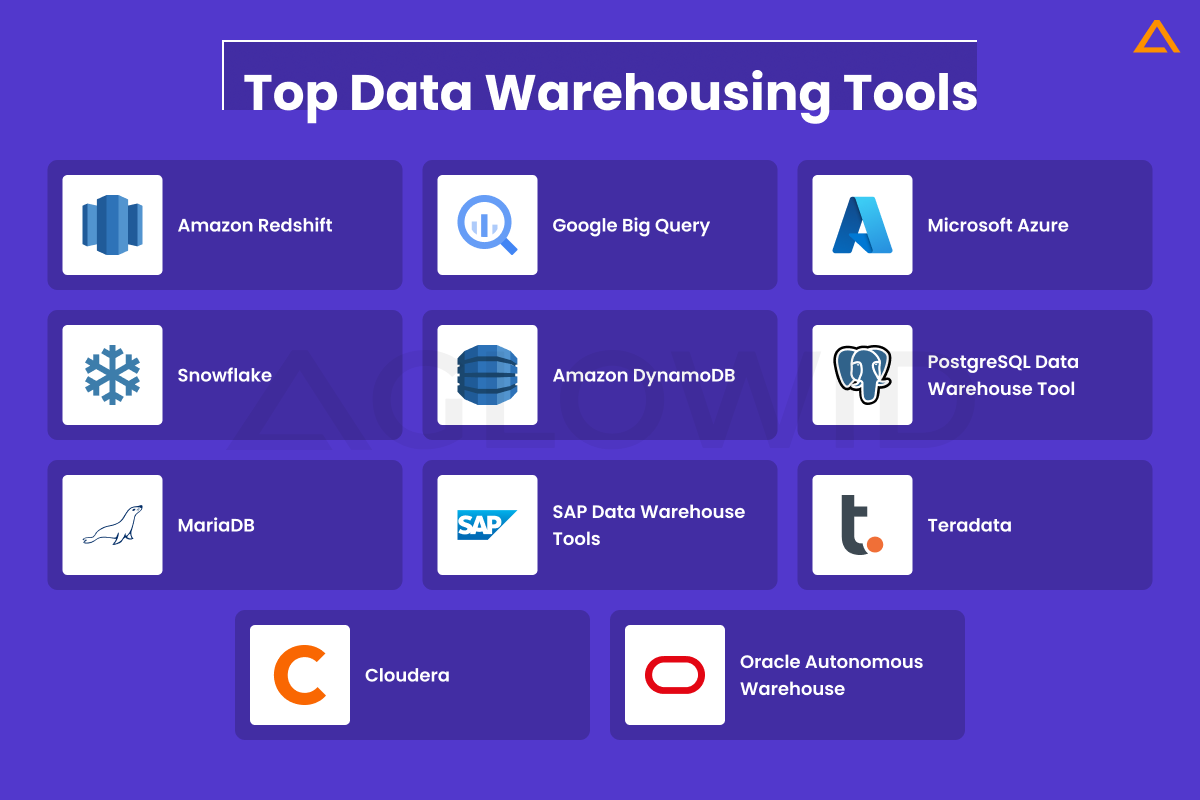
As we navigate through 2025, several data warehouse tools have emerged as leaders in the industry, each offering unique features and capabilities to meet diverse business needs. Let’s explore some of the top contenders in the market:
Amazon Redshift: Scalable Cloud Data Warehousing
Amazon Redshift continues to be a powerhouse in the data warehousing space, known for its performance, scalability, and cost-effectiveness. Key features include:
- Massive Parallel Processing (MPP): Enables fast query performance on large datasets.
- Redshift Spectrum: Allows querying of data directly in S3 without loading it into Redshift.
- Machine Learning Integration: Built-in ML capabilities for predictive analytics.
- Automated Table Optimization: Intelligent data distribution and Sort Key selection.
Amazon Redshift’s integration with the broader AWS ecosystem makes it a popular choice for businesses already leveraging other AWS services. Its pricing model, based on the compute capacity you provision, offers flexibility for organizations of all sizes.
For more information on Amazon Redshift’s capabilities, check out this comprehensive overview video.
Google BigQuery: Serverless Analytics at Scale
Google BigQuery has revolutionized the data warehousing landscape with its serverless architecture and powerful analytics capabilities. Key features include:
- Serverless Infrastructure: No need to manage infrastructure, allowing users to focus on analytics.
- Real-Time Analytics: Ability to analyze streaming data in real-time.
- BigQuery ML: Built-in machine learning capabilities using SQL syntax.
- Flexible Pricing: Options for on-demand or flat-rate pricing models.
BigQuery’s ability to handle petabyte-scale datasets with blazing-fast query speeds makes it an excellent choice for organizations dealing with large volumes of data. Its integration with Google Cloud Platform services enhances its appeal for businesses already invested in the Google ecosystem.
Explore BigQuery’s features in depth with this tutorial on getting started with BigQuery.
Snowflake: Cloud-Agnostic Data Platform
Snowflake has gained significant traction in recent years, offering a unique cloud-agnostic approach to data warehousing. Key features include:
- Multi-Cloud Support: Runs on AWS, Azure, and Google Cloud Platform.
- Separation of Storage and Compute: Allows independent scaling of resources.
- Data Sharing: Easy and secure sharing of live data across organizations.
- Time Travel: Ability to access historical data at any point within a retention period.
Snowflake’s flexibility and ease of use have made it a favorite among data professionals. Its unique architecture allows for efficient handling of diverse workloads, from data warehousing to data lakes and data science projects.
Learn more about Snowflake’s innovative approach in this Snowflake overview and demo video.
Microsoft Azure Synapse Analytics: Unified Analytics Platform
Microsoft Azure Synapse Analytics offers a comprehensive solution that combines data integration, enterprise data warehousing, and big data analytics. Key features include:
- Unified Experience: Integrates data warehousing, data lake, data integration, and big data analytics in a single service.
- Synapse SQL: Distributed query system for big data analytics.
- Built-in Apache Spark: For big data processing and machine learning tasks.
- Power BI Integration: Seamless integration with Microsoft’s business intelligence tool.
Azure Synapse Analytics is particularly appealing for organizations heavily invested in the Microsoft ecosystem. Its ability to handle both structured and unstructured data makes it a versatile choice for diverse analytics needs.
Discover the capabilities of Azure Synapse Analytics in this introductory video guide.
Emerging Trends in Data Warehousing
As we progress through 2025, several trends are shaping the future of data warehousing. Understanding these trends is crucial for businesses looking to stay ahead in their data management and analytics strategies.
Real-Time Analytics: The New Normal
Real-time analytics has moved from being a luxury to a necessity in 2025. Businesses across industries are leveraging streaming data to make instant decisions and respond to market changes on the fly. Key developments include:
- Stream Processing Integration: Data warehouse tools are increasingly incorporating stream processing capabilities, allowing for real-time data ingestion and analysis.
- Low-Latency Querying: Advanced indexing and in-memory processing techniques are enabling sub-second query responses on large datasets.
- Event-Driven Architectures: Integration with event streaming platforms like Apache Kafka for real-time data pipelines.
For instance, Google BigQuery’s streaming insert API allows businesses to analyze data as it arrives, providing immediate insights for time-sensitive decisions.
AI and Machine Learning: Augmenting Data Warehousing
The integration of AI and Machine Learning in data warehousing has reached new heights in 2025, transforming how businesses extract value from their data:
- Automated Data Quality Management: ML algorithms detect anomalies and suggest data cleansing actions.
- Intelligent Query Optimization: AI-powered query planners that adapt to usage patterns and data characteristics.
- Predictive Analytics: Built-in ML models for forecasting and trend analysis directly within the data warehouse.
Amazon Redshift’s integration with SageMaker, for example, allows data scientists to train ML models on warehouse data and deploy them for real-time scoring.
Cloud-Native and Multi-Cloud Strategies
The cloud continues to dominate the data warehousing landscape in 2025, with a growing emphasis on cloud-native architectures and multi-cloud strategies:
- Serverless Data Warehousing: Pay-per-query models that eliminate the need for capacity planning.
- Multi-Cloud Data Management: Tools that facilitate seamless data movement and querying across different cloud providers.
- Edge Computing Integration: Capabilities to process and analyze data closer to the source, reducing latency for IoT and mobile applications.
Snowflake’s multi-cloud support exemplifies this trend, allowing businesses to choose their preferred cloud provider or distribute their data across multiple clouds for redundancy and compliance purposes.
Data Mesh and Decentralized Architectures
The concept of data mesh has gained significant traction, promoting a decentralized approach to data management:
- Domain-Oriented Data Ownership: Shifting from centralized data teams to domain-specific data ownership.
- Data as a Product: Treating datasets as products with clear interfaces and quality guarantees.
- Self-Serve Data Infrastructure: Enabling domain teams to manage their data pipelines and analytics independently.
While not a specific tool, this architectural approach is influencing how data warehouse tools are designed and utilized, emphasizing flexibility and domain-specific optimizations.
Case Study: Boosting Efficiency With Modern Data Warehouse Tools
To illustrate the transformative power of modern data warehouse tools, let’s examine a real-world application using Microsoft Azure Synapse Analytics in a manufacturing context.
Background: Global Manufacturing Company’s Data Challenge
A global manufacturing company, operating multiple plants across different continents, faced significant challenges in consolidating and analyzing data from various sources. These included:
- Production line sensor data
- Quality control reports
- Supply chain information
- Customer feedback and warranty claims
The company’s existing data infrastructure was fragmented, leading to delays in reporting and decision-making, and hindering their ability to respond quickly to market changes and operational issues.
Solution: Implementing Azure Synapse Analytics
The company decided to implement Microsoft Azure Synapse Analytics to create a unified data analytics platform. The implementation process involved:
- Data Integration: Utilizing Azure Synapse’s data integration capabilities to consolidate data from various sources into a centralized data lake.
- Real-Time Analytics: Implementing stream analytics to process sensor data in real-time, enabling immediate detection of production anomalies.
- Advanced Analytics: Leveraging built-in machine learning capabilities to develop predictive maintenance models.
- Power BI Integration: Creating interactive dashboards for different stakeholders, from plant managers to C-level executives.
Results: Transforming Operations Through Data
The implementation of Azure Synapse Analytics yielded significant benefits:
- Enhanced Operational Efficiency: Real-time monitoring and predictive maintenance reduced unplanned downtime by 30%.
- Improved Decision Making: Consolidated data views and advanced analytics enabled faster, more informed decision-making across the organization.
- Cost Savings: Optimized production processes and supply chain management led to a 15% reduction in operational costs.
- Faster Reporting: Report generation time was reduced by 50%, allowing for more agile responses to market changes.
- Data-Driven Culture: Increased data accessibility fostered a more data-driven culture across the organization.
This case study demonstrates how modern data warehouse tools like Azure Synapse Analytics can transform raw data into a strategic asset, driving innovation and efficiency across complex global operations.
For more insights on how Azure Synapse Analytics is revolutionizing data management, check out this customer success story video.
Conclusion and Recommendations
As we’ve explored throughout this comprehensive guide, data warehouse tools have become indispensable assets for businesses seeking to harness the power of their data in 2025. The landscape of data warehousing has evolved significantly, offering solutions that are more scalable, flexible, and intelligent than ever before.
Key Takeaways
- Scalability is Paramount: In the era of big data, the ability to scale seamlessly is crucial. Tools like Amazon Redshift and Google BigQuery excel in this area, offering robust scaling options to meet growing data needs.
- Integration Capabilities Matter: The most effective data warehouse tools offer extensive integration options, allowing businesses to connect diverse data sources and analytics platforms seamlessly.
- Real-Time Analytics is the New Standard: The ability to process and analyze data in real-time has moved from a luxury to a necessity, driving faster decision-making and more agile business operations.
- AI and ML are Transforming Data Warehousing: Built-in machine learning capabilities are enhancing everything from query optimization to predictive analytics, making advanced data science more accessible.
- Cloud-Native and Multi-Cloud Strategies Dominate: The flexibility and cost-effectiveness of cloud-based solutions continue to drive adoption, with multi-cloud strategies gaining traction for enhanced resilience and compliance.
Recommendations for Choosing Data Warehouse Tools
When selecting a data warehouse tool for your organization, consider the following recommendations:
- Assess Your Specific Needs: Evaluate your current data volume, variety, and velocity, as well as your projected growth. This will help you choose a tool that can scale with your needs.
- Consider Your Existing Tech Stack: Look for tools that integrate well with your current databases, analytics platforms, and cloud services to minimize disruption and maximize efficiency.
- Evaluate Total Cost of Ownership: Look beyond initial pricing to consider factors like maintenance costs, required expertise, and potential savings from improved efficiency.
- Prioritize Security and Compliance: Ensure the tool you choose meets your industry’s regulatory requirements and offers robust security features to protect your valuable data assets.
- Test Performance: Whenever possible, run proof-of-concept tests with your actual data to evaluate performance, ease of use, and compatibility with your workflows.
- Consider Future Trends: Choose a tool that aligns with emerging trends like real-time analytics, AI integration, and multi-cloud support to future-proof your investment.
Final Thoughts
The right data warehouse tool can be a game-changer for your organization, transforming how you manage, analyze, and derive value from your data. Whether you opt for the scalability of Amazon Redshift, the serverless architecture of Google BigQuery, the cloud-agnostic flexibility of Snowflake, or the unified analytics approach of Microsoft Azure Synapse Analytics, the key is to align your choice with your specific business needs and strategic goals.
Remember, the data warehousing landscape continues to evolve rapidly. Stay informed about new developments and be prepared to adapt your strategy as new technologies and approaches emerge. By leveraging modern data warehouse tools effectively, you can unlock new insights, drive innovation, and maintain a competitive edge in an increasingly data-driven business world.
For ongoing insights into the world of data warehousing and analytics, consider following industry thought leaders and participating in relevant online communities. The journey to data-driven success is ongoing, and staying informed is key to making the most of your data warehouse investment.